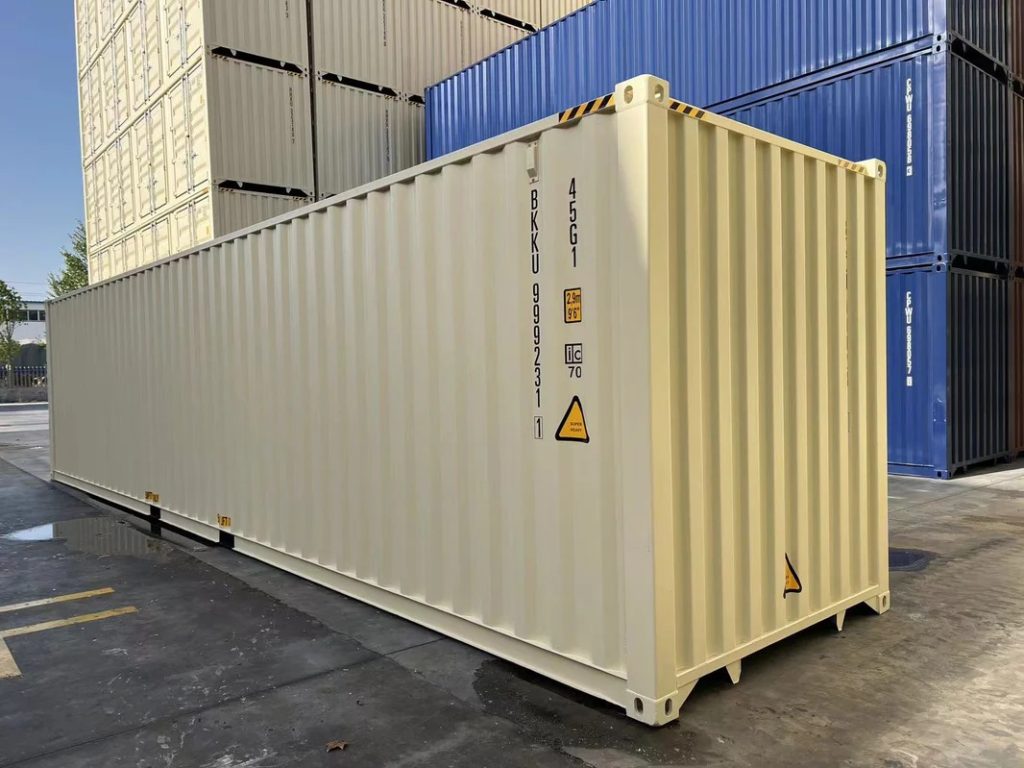
Understanding the Size of a 20-Foot Container
In the world of shipping and logistics, the requirement for standardized container sizes is essential for efficient transportation and storage. Among the most frequently utilized containers is the 20-foot container. For companies and people wanting to move goods, understanding the dimensions, capacity, and best usage cases of a 20-foot container is crucial. This blog site post intends to provide an extensive overview of this crucial shipping property.
What is a 20-Foot Container?
The 20-foot container, also known as a TEU (Twenty-foot Equivalent Unit), is an intermodal container that is widely utilized for shipping cargo across oceans, rails, and roads. It offers sufficient space for a variety of products, consisting of business items, commercial materials, and family items.
Fundamental Dimensions of a 20-Foot Container
To know how to effectively make use of a 20-foot container, it's necessary to comprehend its dimensions. Below is an in-depth table showing the standard dimensions of a 20-foot container:
| Dimension | Feet | Meters |
|---|---|---|
| Outside Length | 20 | 6.058 |
| Outside Width | 8 | 2.438 |
| Exterior Height | 8.5 | 2.591 |
| Interior Length | 19.4 | 5.898 |
| Interior Width | 7.7 | 2.352 |
| Interior Height | 7.9 | 2.393 |
| Volume | 1,172 | 33.2 m ³ Maximum |
| Payload Weight | 47,900 | 21,772 kg |
Note: The dimensions might vary a little based on the producer and particular style, such as whether it's a basic or high cube container.
Capacity and Usability
Knowing the internal volume and capacity of a shipping container helps organizations to optimize their shipping efficiency. A 20-foot container can usually hold about 28,000 to 30,000 pounds of cargo, making it ideal for different applications.
Typical Use Cases for a 20-Foot Container
- Business Shipping: Ideal for companies shipping bulky items like equipment or furniture.
- Storage Solutions: Perfect for temporary storage on task sites or at events.
- Residential Moves: A popular choice for families moving homes due to its workable size.
- Exporting Goods: Frequently used for worldwide shipping of items and raw products.
Comparing to Other Container Sizes
To further comprehend the context of a 20-foot container, it's practical to compare it with other standard container sizes. Here's a quick comparison chart:
| Container Size | Length (Feet) | Typical Capacity (Cubic Feet) | Typical Capacity (Cubic Meters) |
|---|---|---|---|
| 20-Foot Container | 20 | 1,172 | 33.2 |
| 40-Foot Container | 40 | 2,390 | 67.5 |
| 40-Foot High Cube | 40 | 2,694 | 76.5 |
| 45-Foot High Cube | 45 | 3,042 | 86.5 |
These contrasts help buyers and carriers to pick the most appropriate container for their needs.
FAQ Section
1. What can fit in a 20-foot container?
A 20-foot container can usually fit the contents of a little apartment or about 10-12 standard pallets. Constantly think about the weight limitation, as it may affect just how much can be filled.
2. Just how much does a 20-foot container cost?
The expense of a 20-foot container differs based upon condition (new or utilized), location, and market demand. Pricing typically ranges from ₤ 2,000 to ₤ 5,000 for an utilized container, while new containers might cost ₤ 3,500 to ₤ 7,000.
3. Exist various kinds of 20-foot containers?
Yes, 20-foot containers come in several types, including basic dry containers, cooled containers, and open-top containers, each designed for particular purposes.
4. How do I transport a 20-foot container?
Carrying a 20-foot container needs specialized trucks or flatbed trailers. If 20ft Storage Containers is to be shipped worldwide, coordination with shipping lines for ocean transport will be essential.
5. Where can I lease or buy a 20-foot container?
Containers can be leased or bought from various suppliers, consisting of shipping lines, freight forwarding business, and container leasing companies. It's essential to do comparative shopping to guarantee you get the best deal.
The 20-foot container plays an essential function in the logistics and shipping industry, due to its useful size, capacity, and flexibility. It serves as an effective option for services and people seeking to deliver and store goods financially. Comprehending its requirements can lead to much better logistics preparing and more effective use of resources.
For organizations or individuals planning logistics throughout the globe, knowing the size and capacity of a 20-foot container is an important action. Whether it's shipping items internationally or needing extra storage, the 20-foot container proves to be a useful option in numerous scenarios.